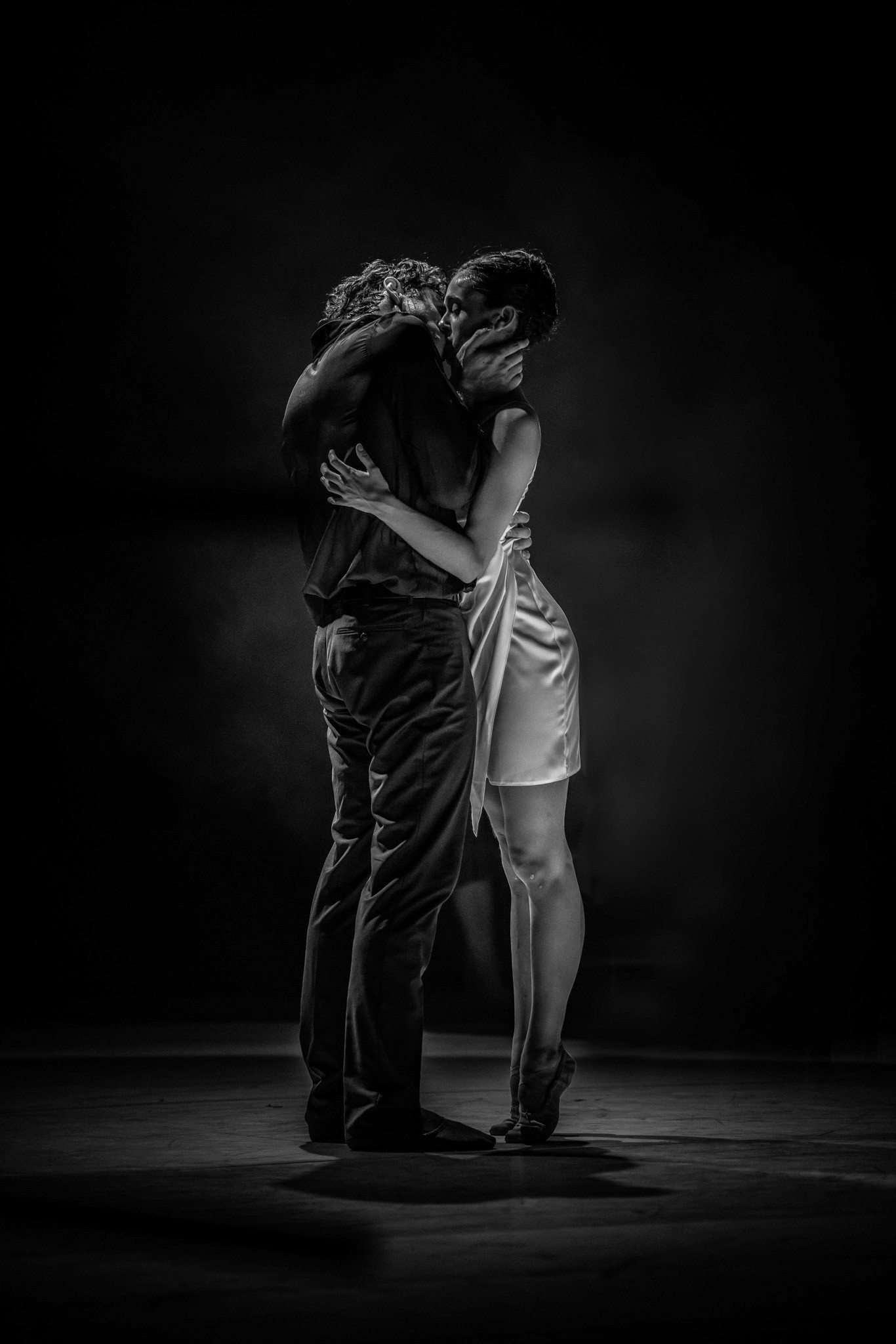
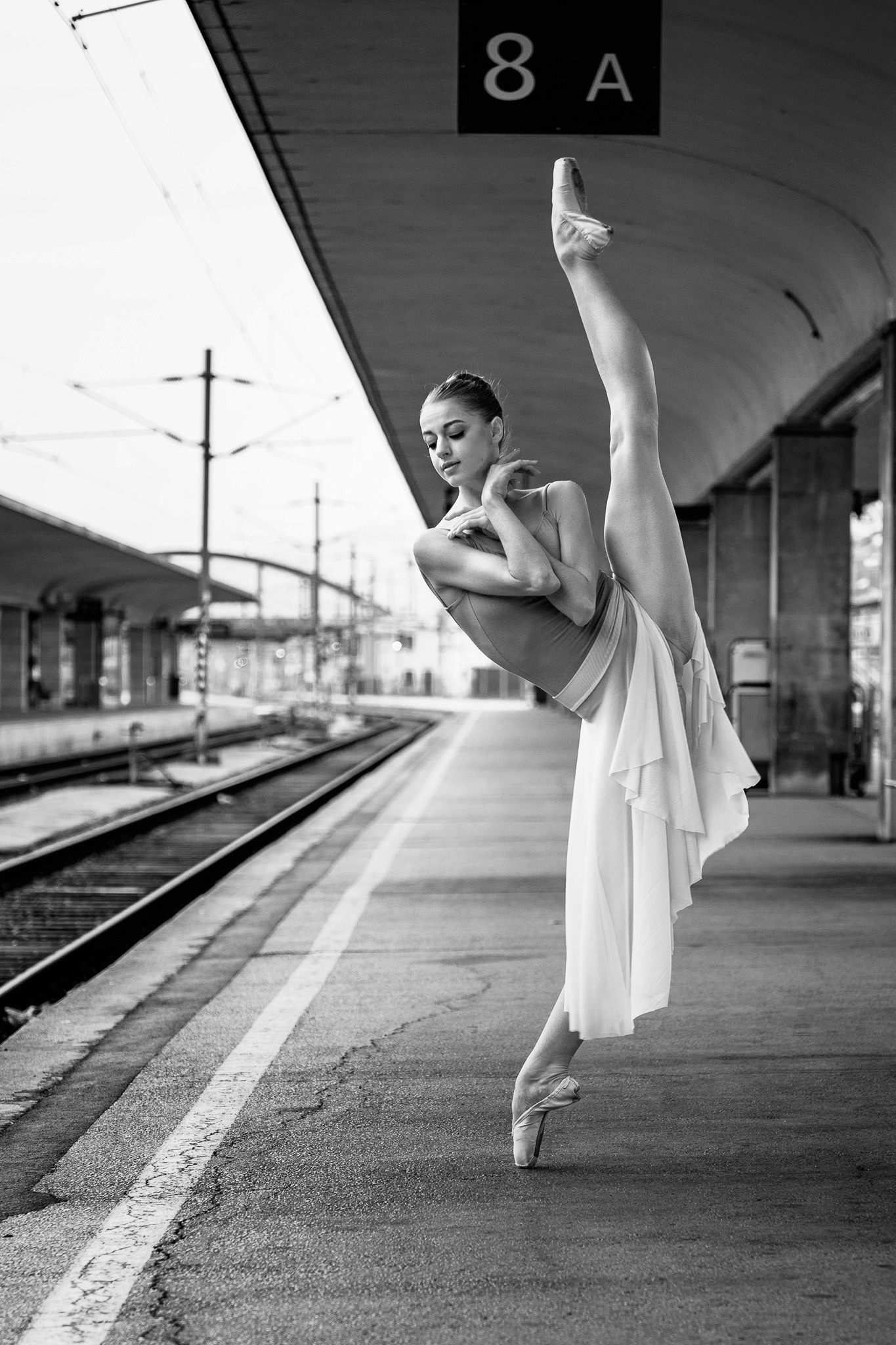
“Ballet – the Body of Music” explores ballet as a space where discipline, emotion, and sacrifice coexist. The book brings together young dancers in formation and established professionals, capturing moments of vulnerability, tension, and grace. These images do not idealize perfection, but reveal effort, fragility, and inner strength. Each photograph reflects a body shaped by years of devotion, doubt, and repetition. Together, they form a quiet tribute to ballet as an art that transforms music into movement and emotion into form.
Features
Authentic visual language
Focus on process, not spectacle
Timeless black & white aesthetics
Respectful portrayal of dancers
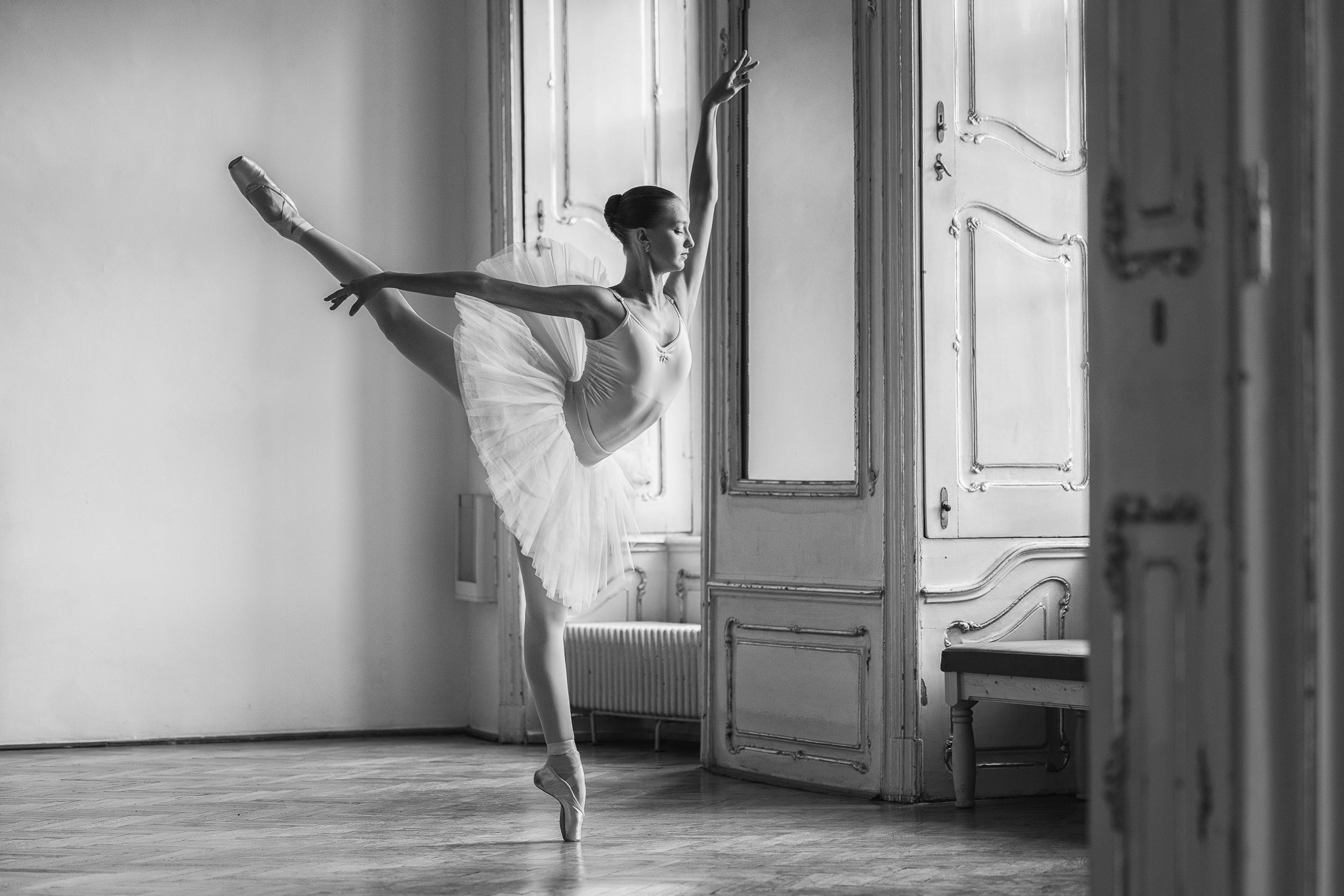
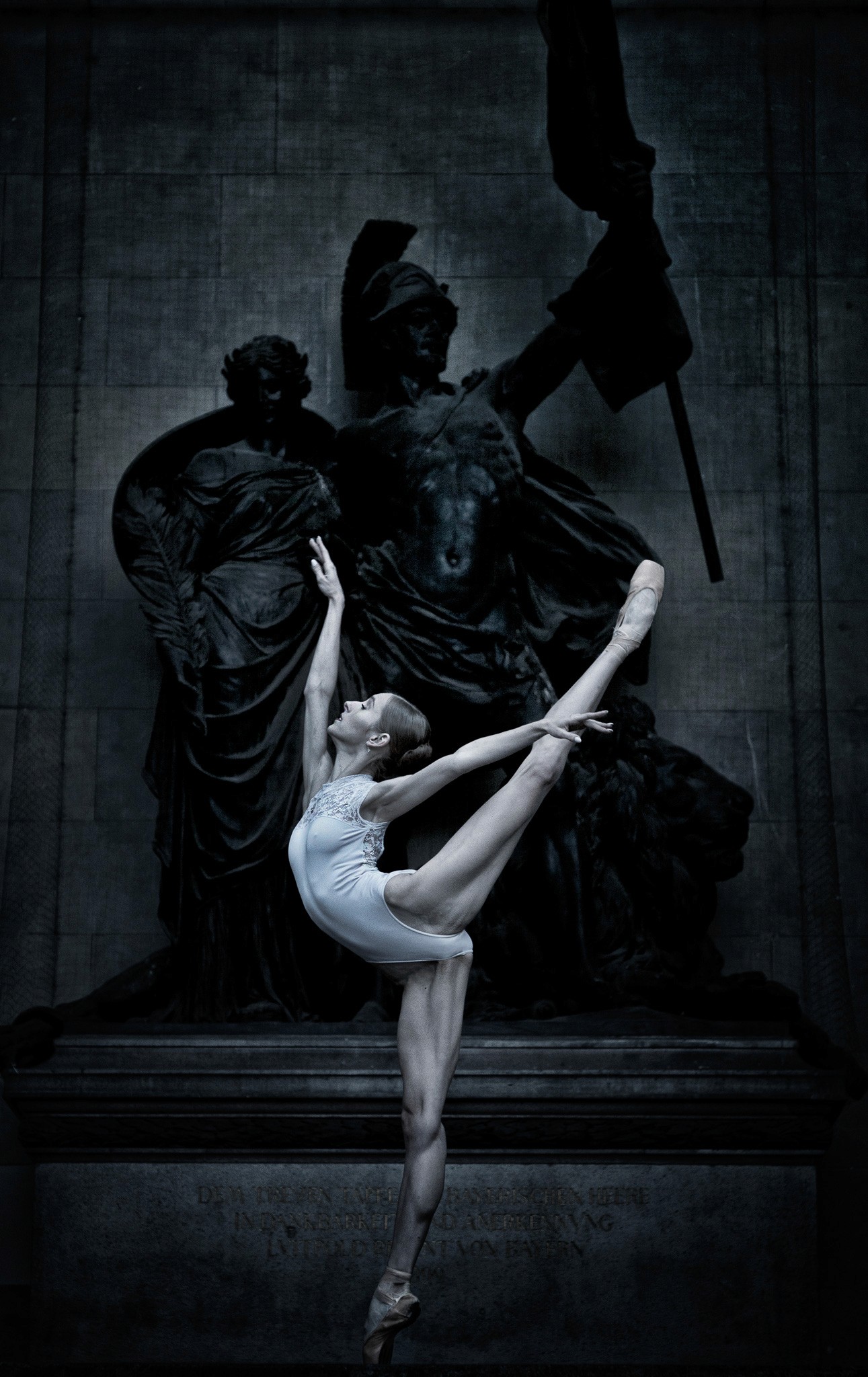
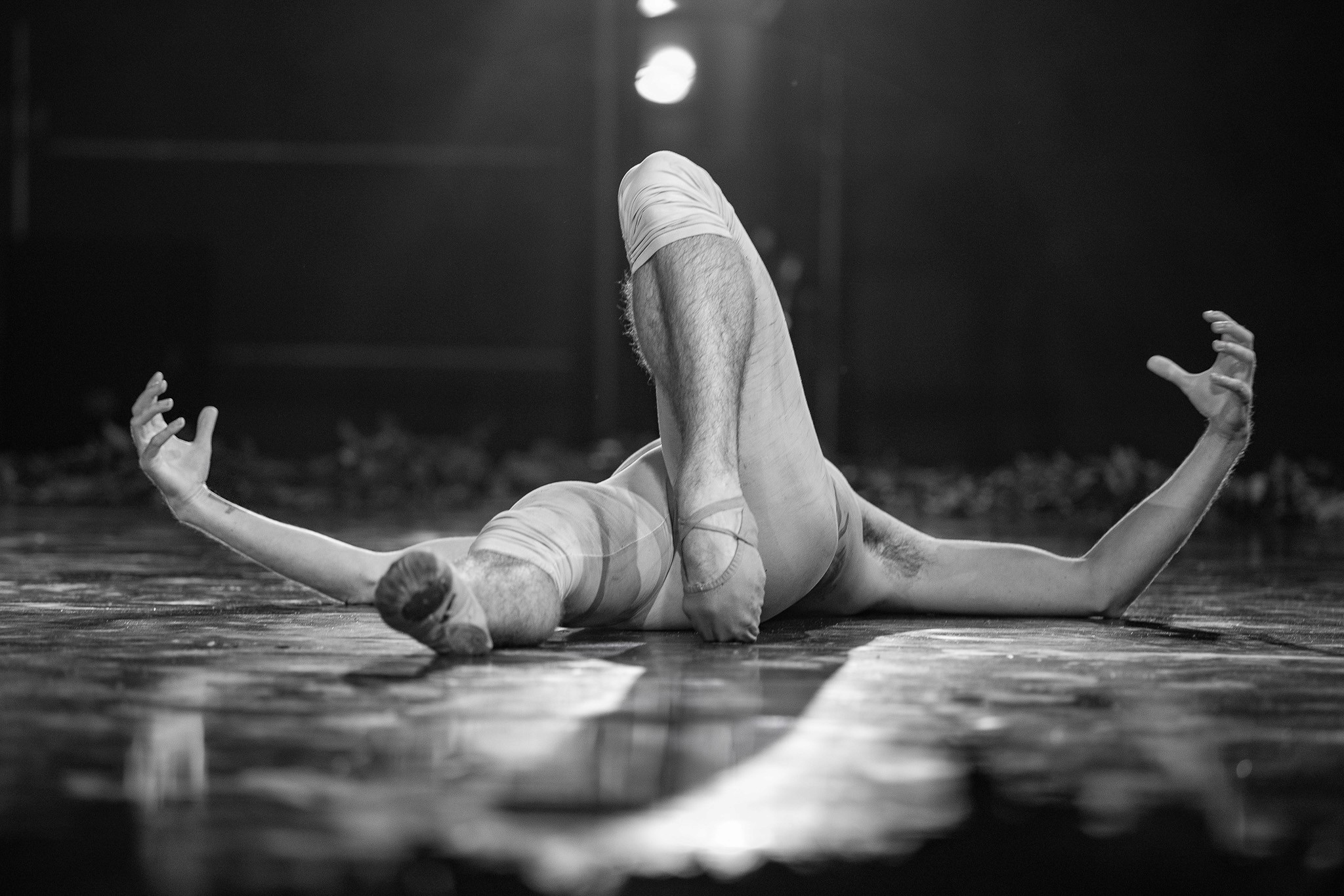
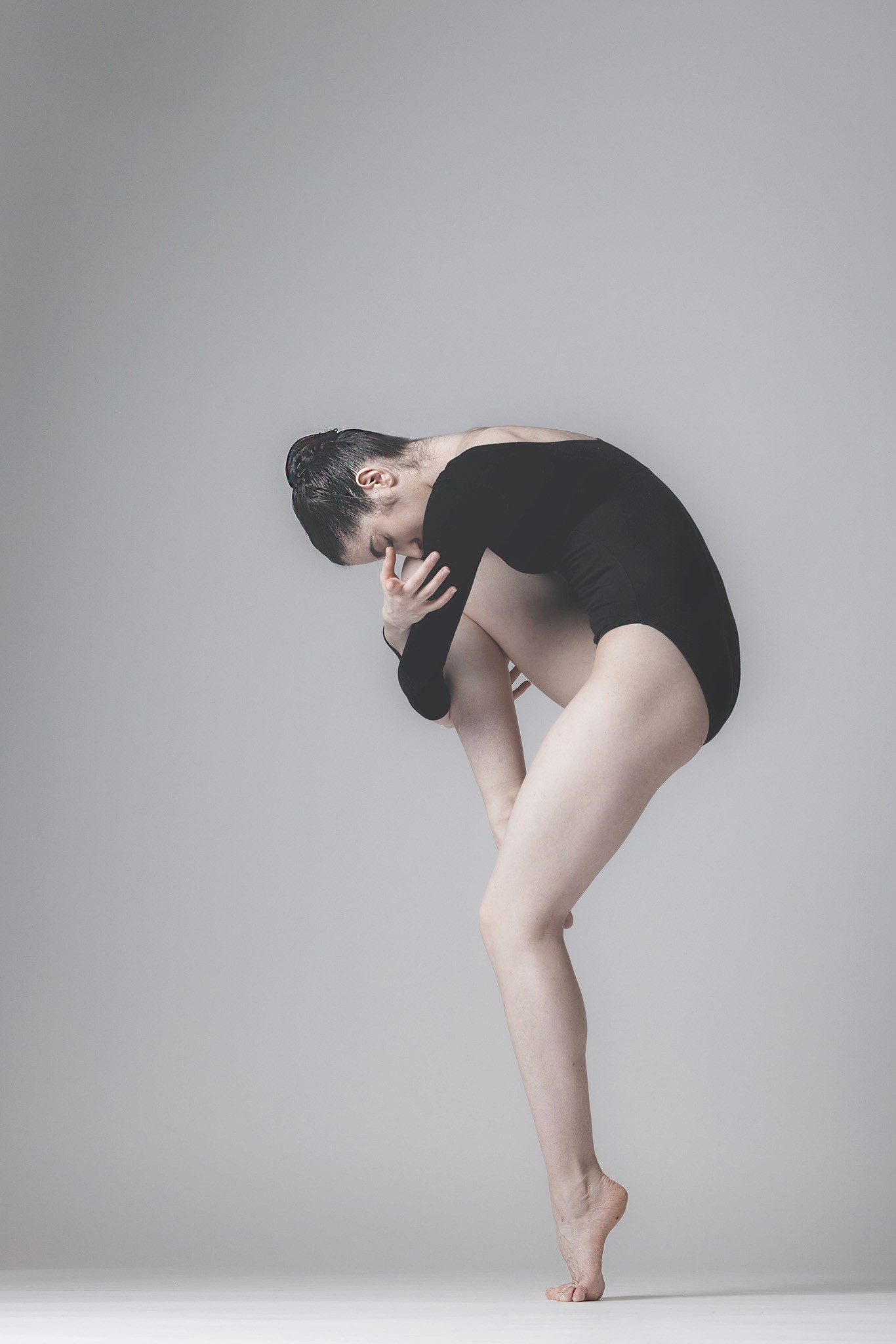
“Ballet – the Body of Music” is a long-term photographic exploration of ballet as an embodied art form, created between 2017 and 2024 in studios, rehearsal spaces, and performance environments. The book brings together dancers at different stages of their journey, from students in formation to internationally recognized professionals, presenting them not as icons of perfection, but as human beings shaped by discipline, vulnerability, and emotional intensity.
Technically, the work relies on a restrained and deliberate visual language. The photographs balance controlled composition with moments of instability, reflecting the physical and mental demands of ballet. Light is used sculpturally, defining muscles, tension, and posture, while framing often isolates the body from its surroundings, allowing movement and gesture to carry the narrative. The absence of decorative context places full attention on the dancer’s relationship with gravity, balance, and effort. The images do not chase spectacle, but remain close to the body, where fatigue, control, and concentration become visible.
Emotionally, the book moves beyond the polished surface traditionally associated with ballet. It reveals repetition behind elegance, pain behind beauty, and uncertainty behind mastery. Young dancers appear alongside seasoned performers, emphasizing continuity rather than hierarchy. All are shown as imperfect, exposed, and emotionally present, united by the same devotion to an art that demands time, energy, and often personal sacrifice.
This book is not about performance alone, but about the process that precedes it. It acknowledges the sacrifices that shape a dancer’s life: missed childhoods, physical limits tested daily, and emotional resilience built over years. Each image functions as both observation and homage.
Ultimately, “Ballet - the Body of Music” affirms ballet as more than choreography or technique. It presents dance as music made visible, where the body becomes its instrument and emotion its true language.